Reusable packaging in grocery retail
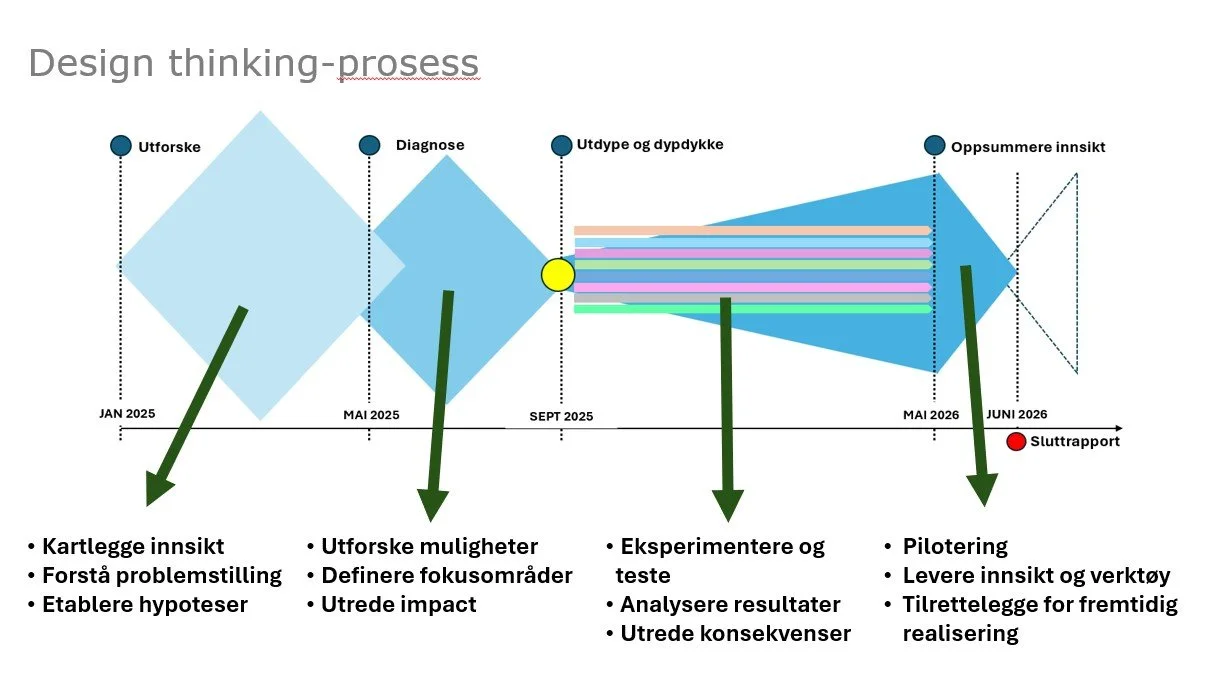
Design Thinking process exploring circular packaging solutions
Date: 2024 – 2026
Client
Orkla Foods Norway and Circular Packaging Cluster (CPC)
Industry
Grocery retail and food packaging
Partners
Orkla Foods, Fjordland, Meny/NorgesGruppen, GRIN, Nofima, Mepex, Zonic and Circular Packaging Cluster
Funded by
Handelens Miljøfond. Budget total NOK 5 million incl. co-funding from the partners
Introduction
Norwegian grocery retail generates significant volumes of packaging waste. The EU’s new Packaging and Packaging Waste Regulation (PPWR) introduces mandatory reuse and refill targets that the industry has no established systems to meet.
The project “Reusable Packaging in Grocery Retail” was set up to answer a question the industry had not yet been able to answer: Can reuse of food packaging work in a modern grocery supply chain, and if so, under what conditions?
What we set out to solve
The project was built around four core questions:
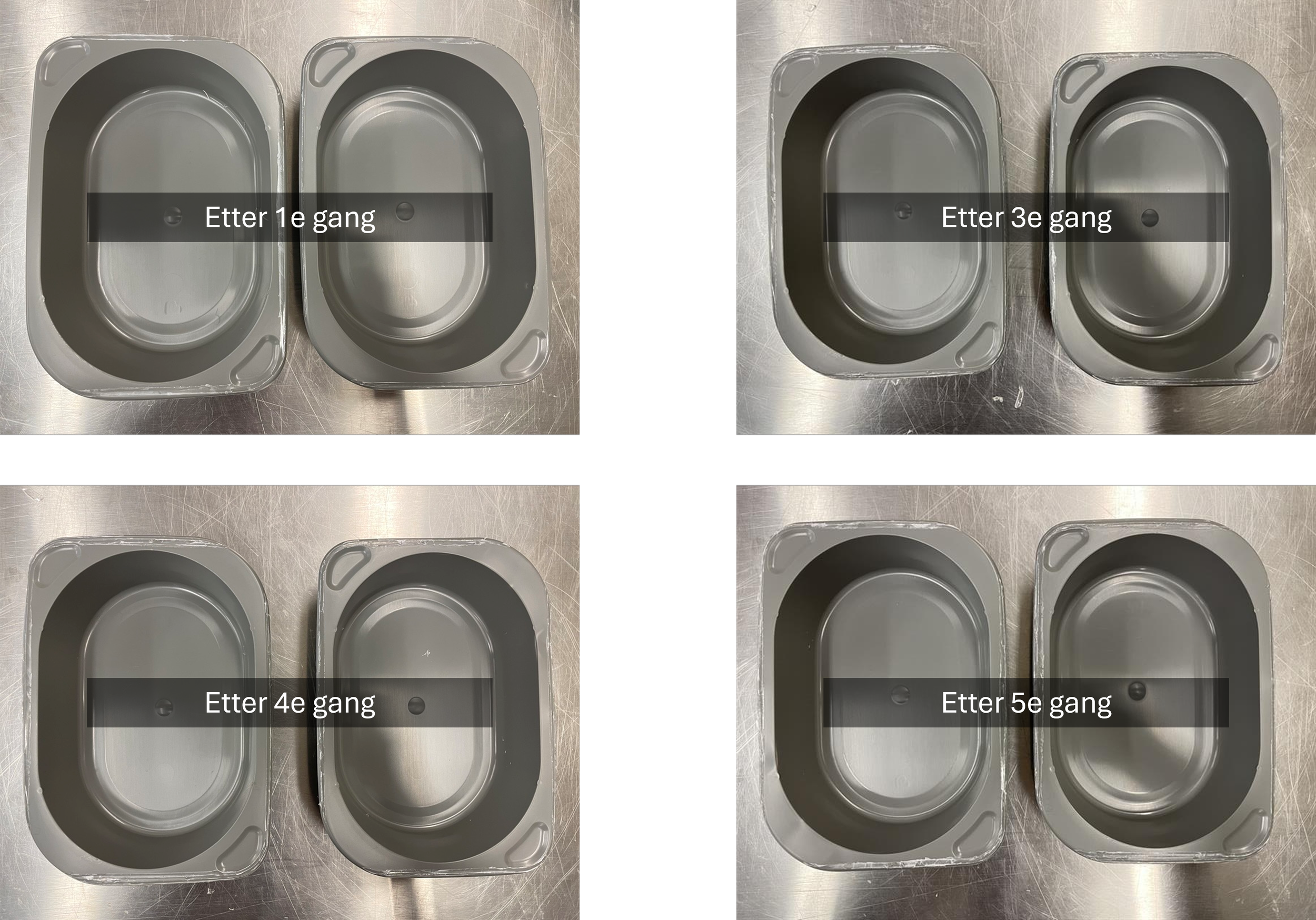
Can reuse of food packaging be made technically viable, meeting food safety, hygiene, and logistics requirements in a real grocery context?
How do consumers respond, and what is needed to make reuse a natural part of their shopping habits?
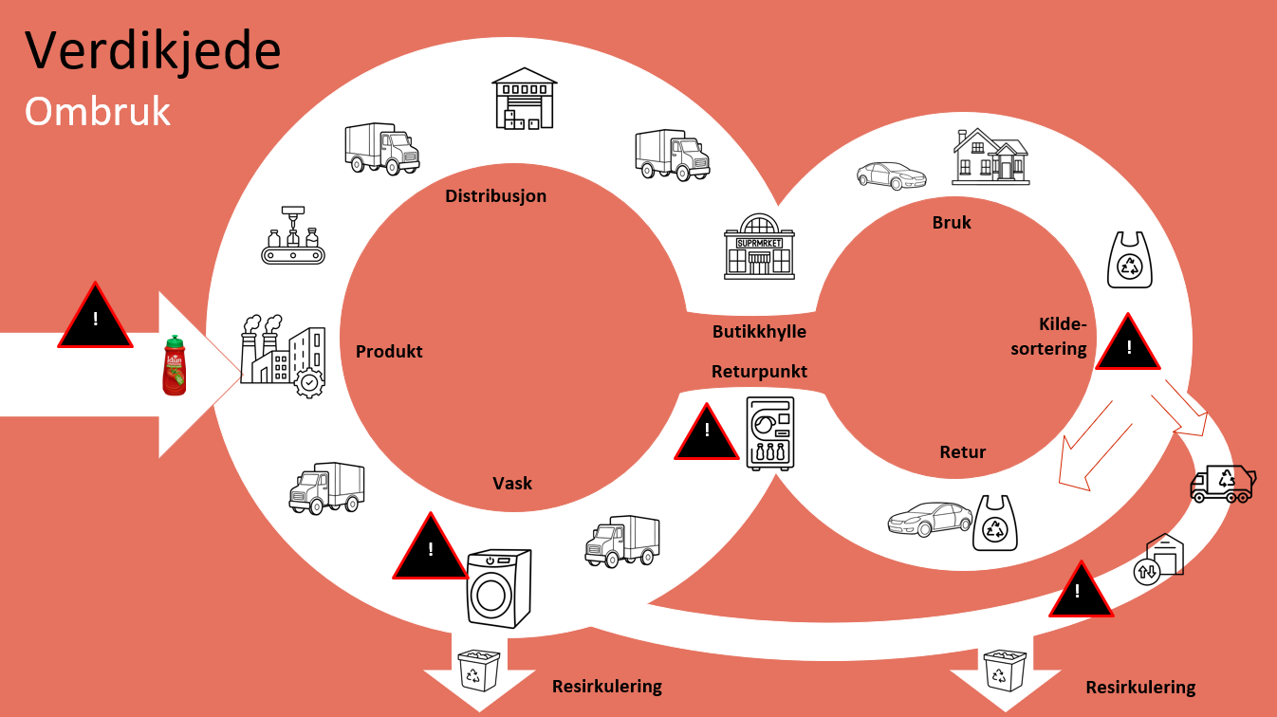
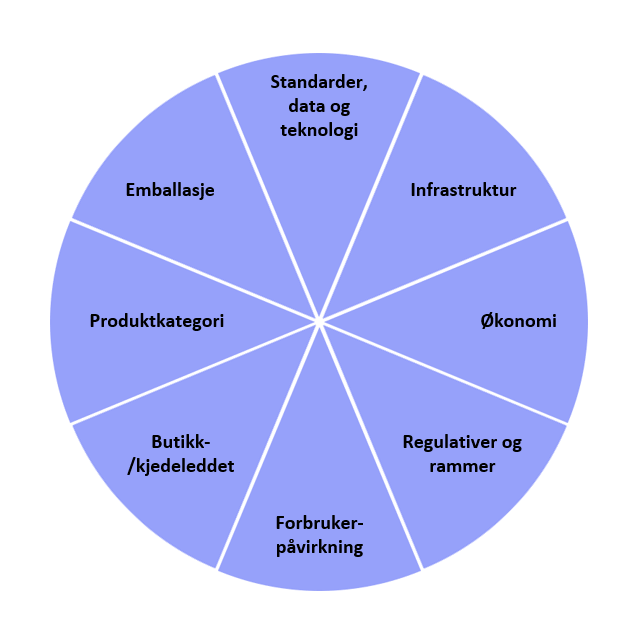
What does a reuse system actually cost across packaging design, return infrastructure, washing facilities, and in-store operations; and what values are lost?
At what scale and under what conditions does reuse become economically viable for producers and retailers?
Approach
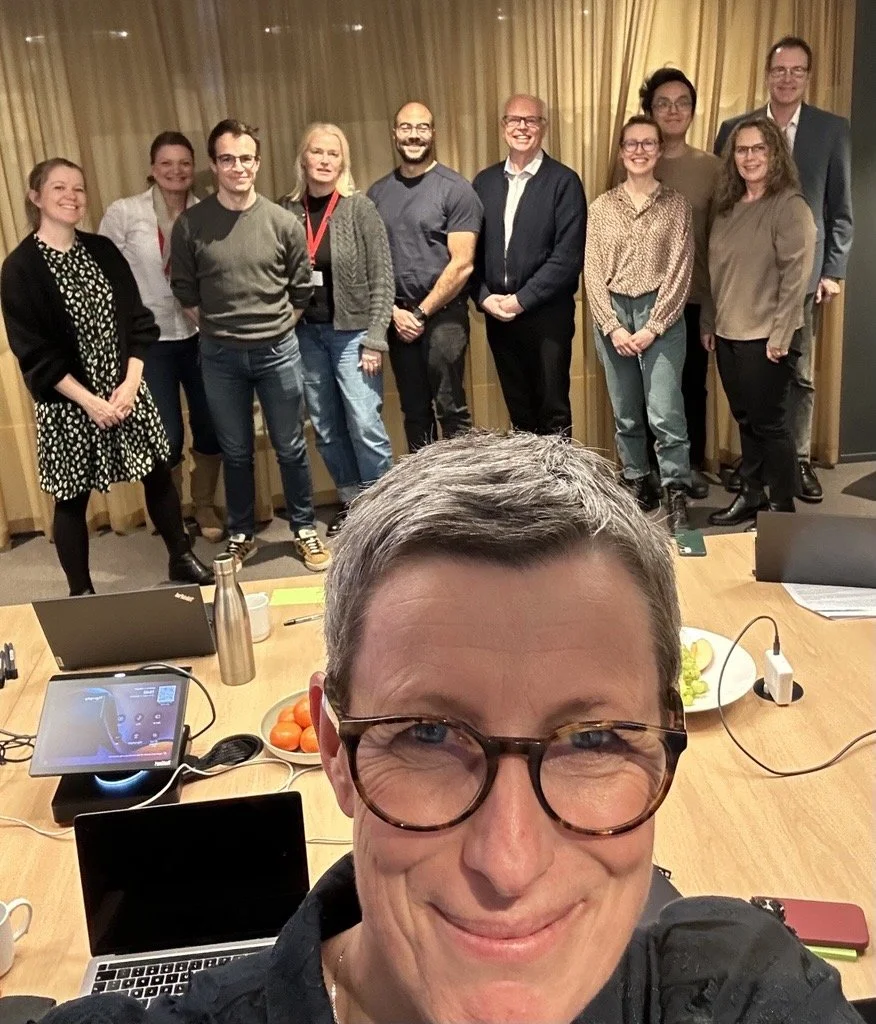
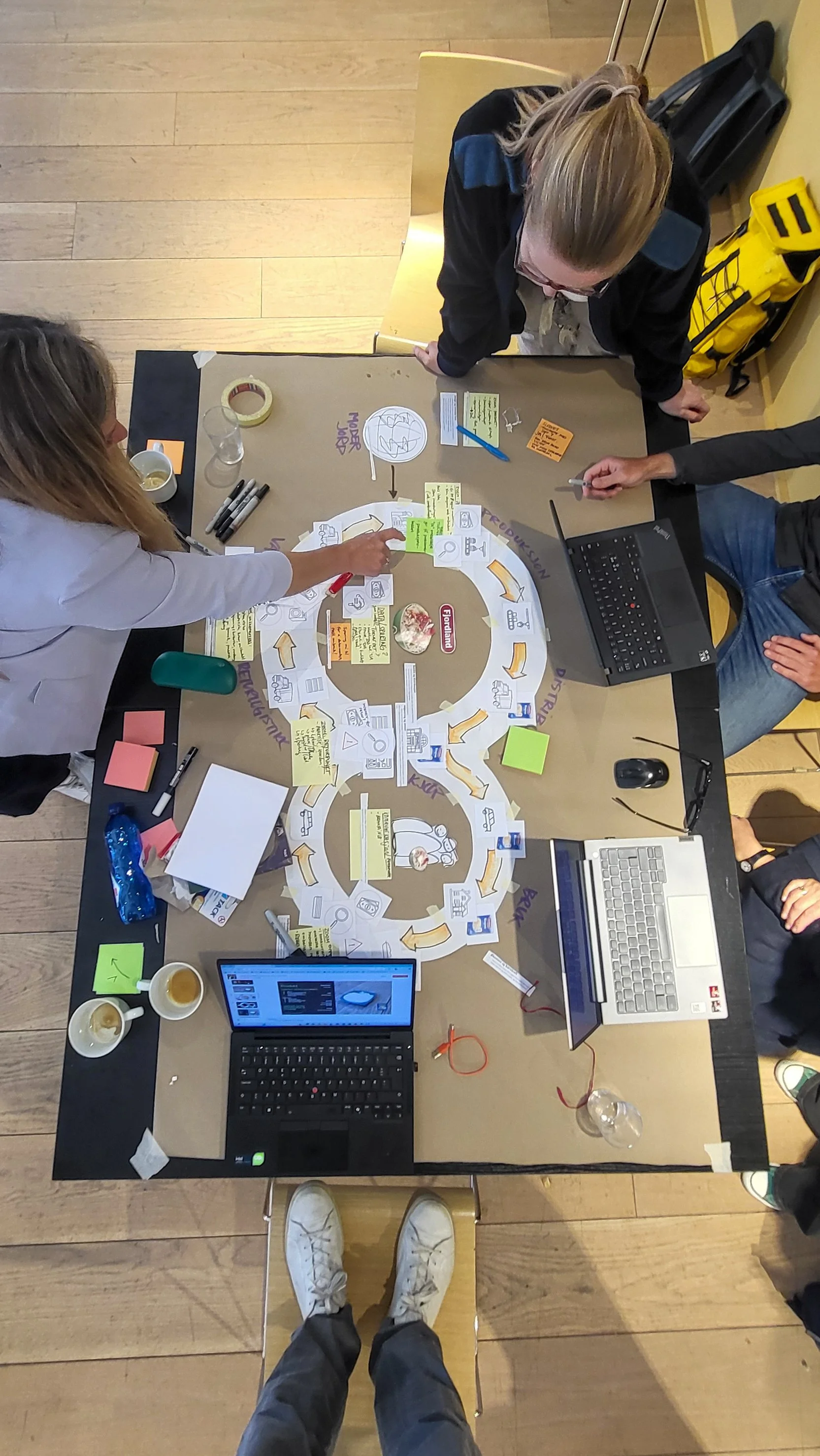
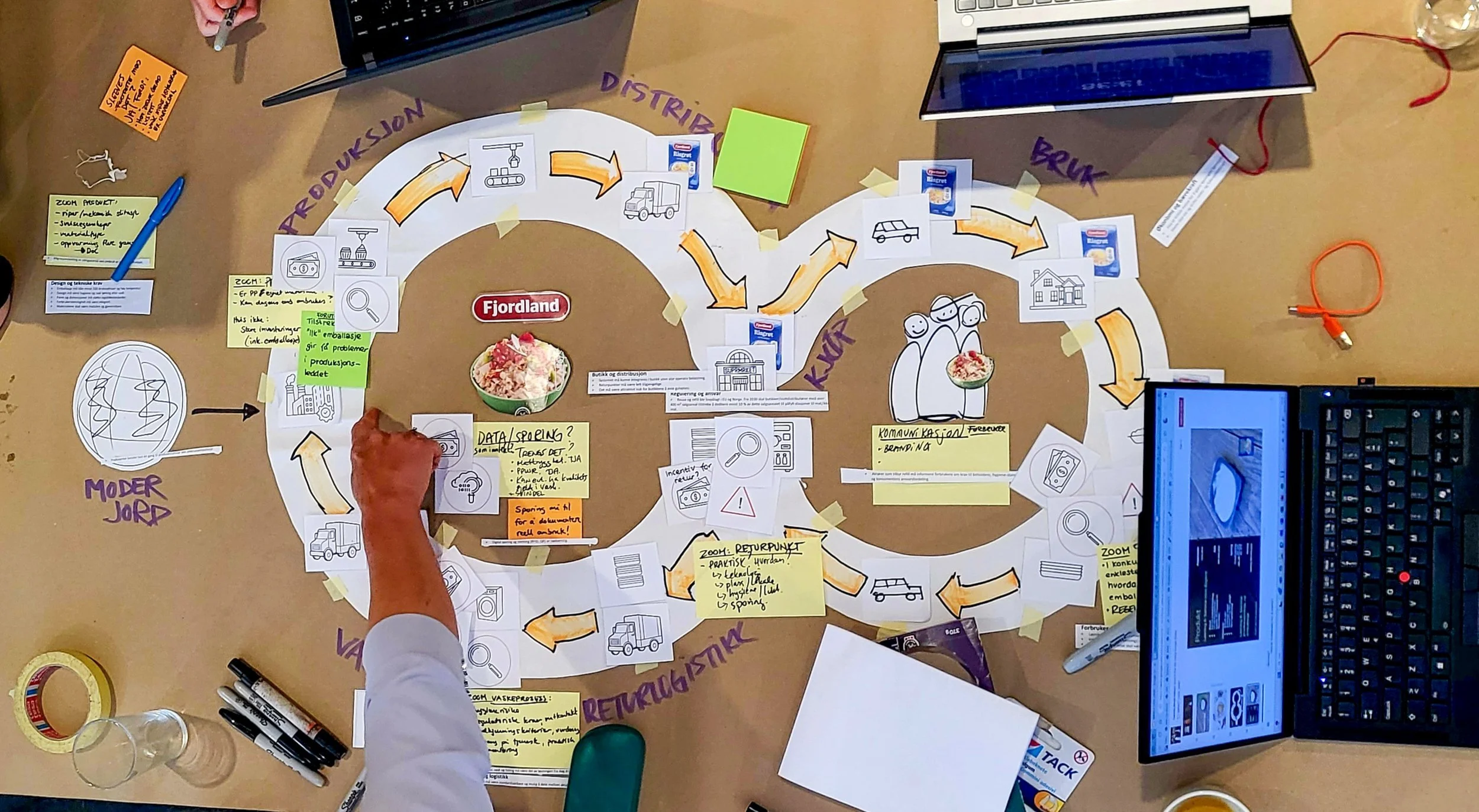
The project was structured as a Design Thinking process, bringing together a cross-functional team from across the value chain.
Using the Triple Diamond model as a framework, the process alternated between broad exploration and focused research, with repeated cycles of experimenting and testing.
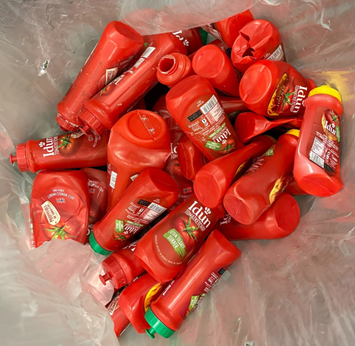
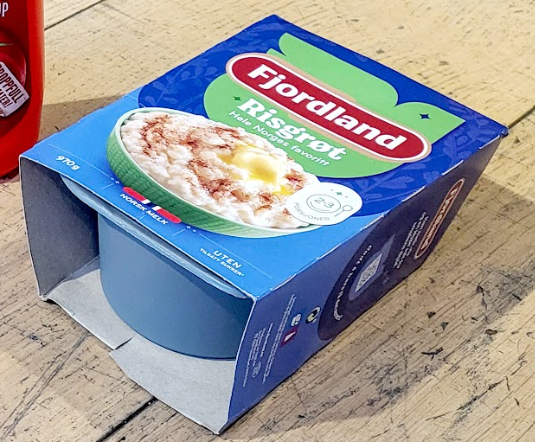
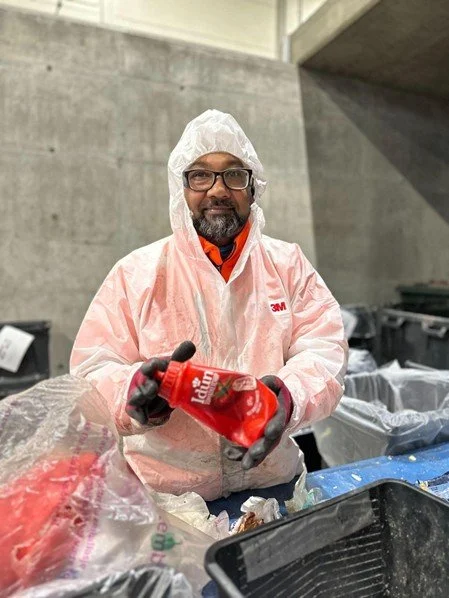
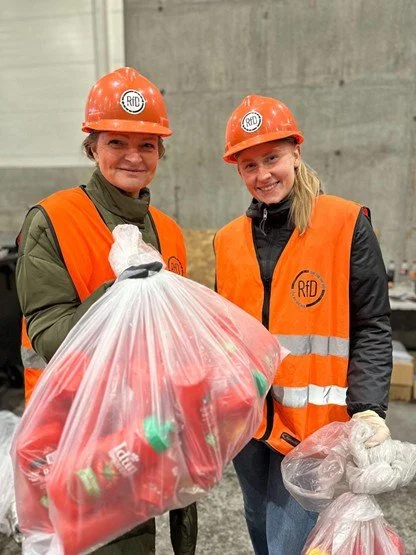
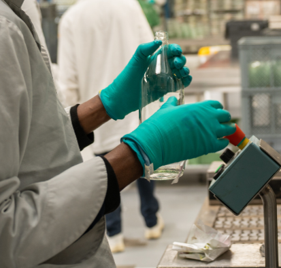
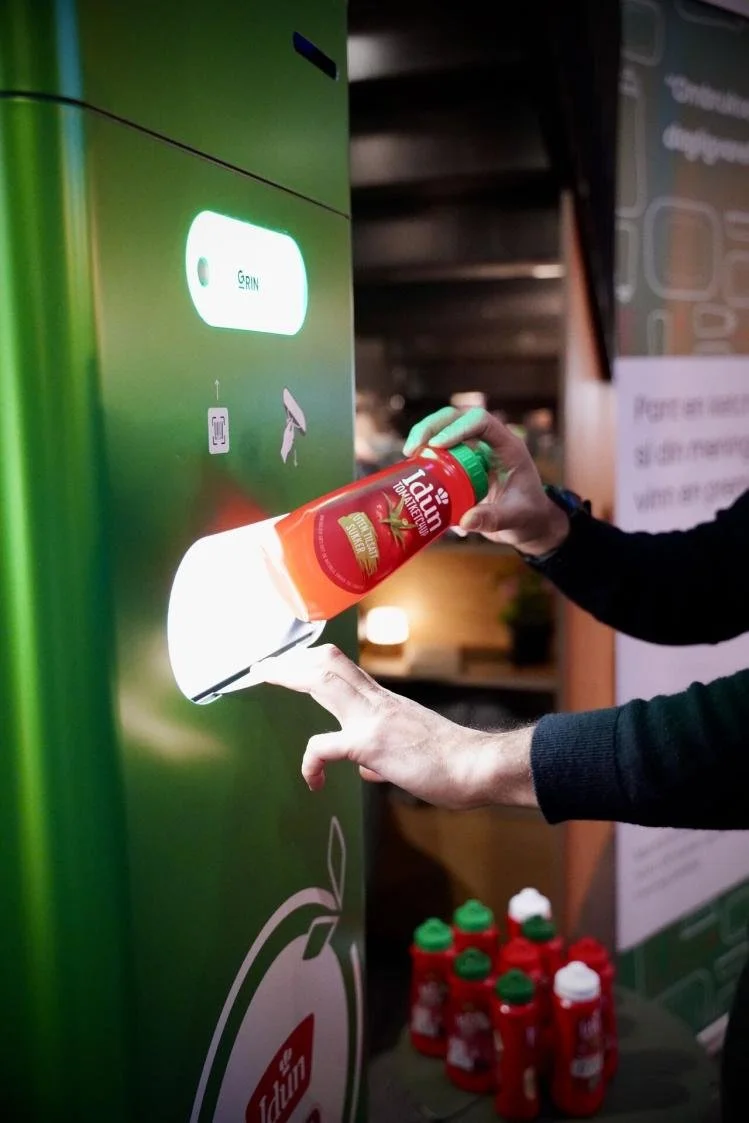
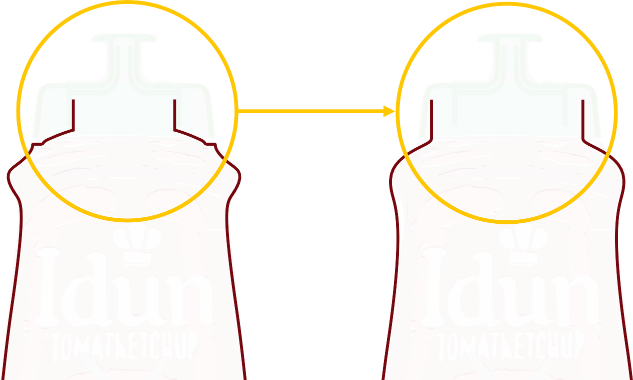
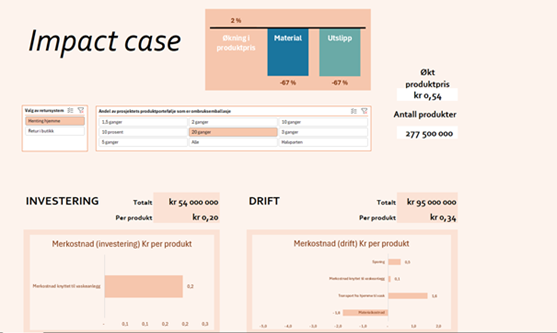
Two products were selected as cases: Idun Ketchup (Orkla Foods) and Fjordland Rice Porridge. For each case, the team conducted material flow analysis, environmental impact calculations, and a full circular business model analysis covering packaging design, return logistics, washing infrastructure, and financial viability.
Outcome
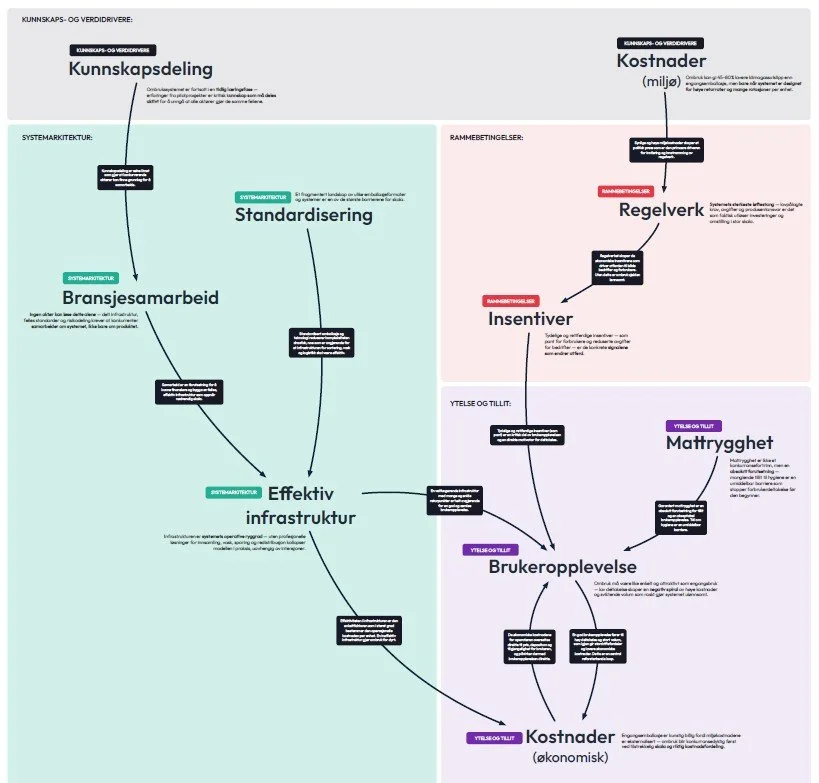
We don't have all the answers yet. What we do have is a lot of learning from experimenting. The project demonstrated that reuse of food packaging is technically feasible, but economic viability requires shared infrastructure costs across multiple producers.
Rather than a traditional written report, the findings were published as a dedicated website, built to make results accessible and shareable across the industry: ombrukidagligvare.report
My role and contrubution
Project Manager and Circular Economist
Together with Orkla Foods Norge and Circular Packaging Cluster, I initiated and wrote the funding application to Handelens Miljøfond, and defined the project scope and brief.
I was responsible for process design, partner mobilisation, methodology, and progress across a cross-organisational team and lead the external communication, including the webinar series “Circular Breakfast” and had full responsibility for reporting on content and financials.
As part of the finalization, I conceived and produced the project’s report as a public website rather than a traditional document, making the findings directly accessible to the industry at ombrukidagligvare.report
“Through targeted and creative use of design thinking, Camilla has helped shape both the direction and momentum of this exciting project. We in the project team quickly noticed her engagement and positivity, which elevated our collaboration.”